It’s been great to see more Western District papers coming to Trove, the National Library of Australia’s website. Port Fairy papers are among those, and I’ve found them useful in piecing together some Harman family research.
My ggg grandparents, Joseph and Mary Harman, and their children were in Port Fairy from the early 1850s before moving north to Byaduk. One son, George Hall Harman, stayed in Port Fairy. You can read about him in the post Not such an Oddfellow.
I have a wealth of information on George, including a copy of a family history written by his granddaughter, Edna Harman. Edna was a local historian and author from Wangaratta who donated her research about her branch of the family to the Port Fairy Historical Society. She was born in 1909, and much of her information about the Harman family came directly from her father, Herbert, and George himself, who lived until Edna was 22. Edna had visited Port Fairy on numerous occasions, and George had spent time at Edna’s family home in Wangaratta.
Between my research and Edna’s, I thought I knew much of what there was to know about George, but a mystery still remained. On a visit to Port Fairy cemetery, I noticed a monument belonging to the Gibson family with G. Harman in the place where the monument maker leaves his mark.
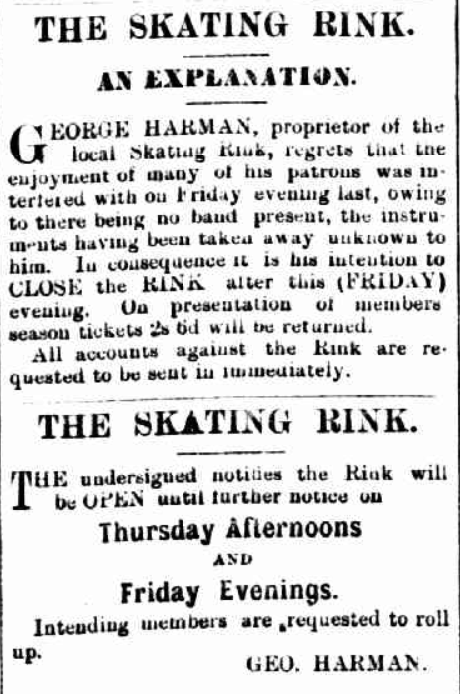
I knew George had worked as a farm labourer and a gardener, but had never been able to reveal why George’s name came to be on the bottom of the monument, and wondered if this was a one-off attempt at stonemasonry. That was until the new Port Fairy newspapers arrived at Trove and I discovered the following advertisement from 1888.
It appears to have been a short-lived occupation, with no further advertising, although the last death on the monument was recorded in 1895, but the inscription may have been added later.
I found the discovery most interesting, leaving me thinking that my interest in cemetery research is in my blood. It comes on top of a fairly recent discovery while reading Hamilton Spectators at the Hamilton History Centre. In the 1919 issues, I found my gg grandfather Richard Diwell and sons were offering their services as headstone decorators.
Also in the Port Fairy papers, I found an informative obituary for George’s father, Joseph Harman, more detailed than the one published in the Hamilton Spectator at the time. I also found out George’s daughter, Mary, was the librarian at the Port Fairy Mechanics’ Institute Library (below).
Not only that, George was something of a “Jack of all Trades”. He worked as the Port Fairy dog inspector and in the 1880s was the President of the Wharf Labourers Union. Even better, I discovered he once owned the Port Fairy Skating Rink, around the time of his undertaking venture.
Port Fairy Gazette (Vic. : 1890 – 1922) Funding thanks to Moyne Shire Council, Port Fairy Ghost Stories, and Public Record Office of Victoria Local History Grant
The 86th edition of Passing of the Pioneers includes obituaries from February. Among them are a missionary, two men who lost sons during WW1, a teacher, and the operator of refreshment rooms in the Otways.
ARNOTT, Alfred Edward-Died 28 February 1905 at Hamilton. Alfred Arnott was born in Manchester, England around 1864 but as a child, his parents moved to Scotland. As a young person, he didn’t keep good health, and a doctor suggested he might be better suited to the Australian climate. Alfred arrived in Victoria and started work for the National Bank. He was the ledger keeper at the Hamilton branch for four years before moving to Casterton for another two years. While in Hamilton, Alfred built a strong connection with the local Presbyterian church.
He was the secretary of the church fellowship association, sang with the choir, and taught bible classes. He also had a desire for missionary work and in 1899 an opportunity came to travel to China for that reason. On 28 August 1899, Alfred left Hamilton by train with his fiancé Mary McCormack of Scarsdale. They made their way to Sydney before travelling to Shanghai to complete two years of training in preparation for missionary work.
Alfred and Mary no doubt left with the knowledge that there was growing danger for missionaries in China. In the north of the country, there was increasing dissent towards foreigners and Christianity, which culminated in what is known as the Boxer Rebellion. There were missionaries killed and by 1900, Western countries including Australia were moving troops into the area.
Mary wrote to her Hamilton church friends, telling them about the dangers they faced. One letter was sent to Elizabeth Brown, only to arrive in Hamilton the day after Elizabeth’s death at the age of 32. Catherine Anketell received a letter from Mary in October. Mary wrote she had heard from Australian friends that there were reports all of their missionary group of 1899 had been murdered, and their photos were in the newspapers.
Mary’s sources were correct. The Critic from Adelaide published a photo of the group, including Alfred and Mary, in July 1900 suggesting their demise.
Mary also wrote that Alfred was working in an accountant’s office in Shanghai. In 1901, Alfred and Mary married in China, and in 1903, a son John was born there.
In February 1904, Reverand Morton spoke at Penshurst about his missionary work in China. He used projected lantern slides to illustrate his talk. A slide of Alfred Arnott’s image was among them.
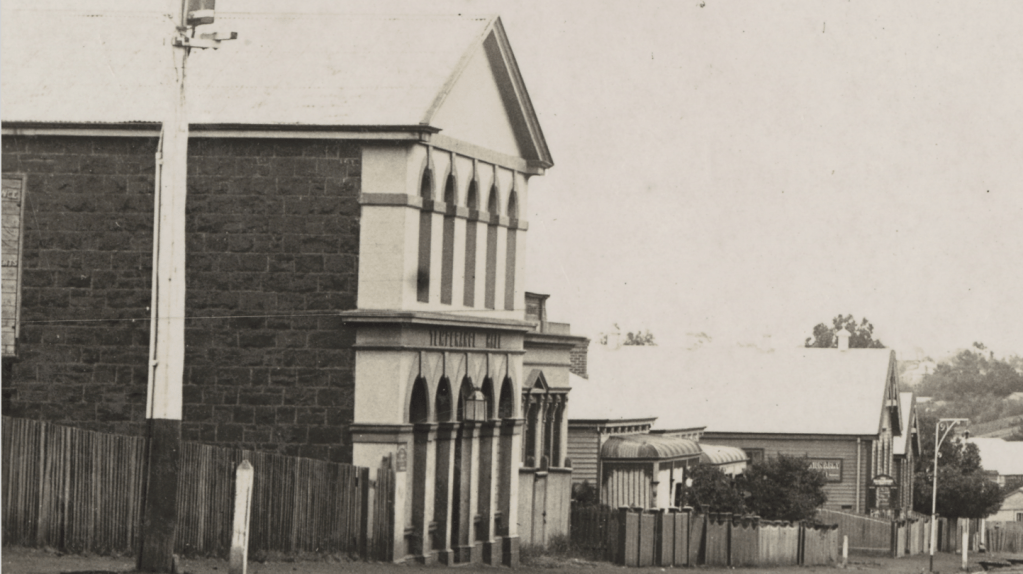
The Arnotts returned to Australia later that year. It is difficult to trace their movements although it appears Mary arrived ahead of Alfred. A report on 23 July from The Brisbane Courier mentioned Alfred was on board the SS Australian which stopped at Pinkenba, Brisbane en route to Sydney. It was said he was returning for a holiday. Meanwhile, Mary was in Hamilton on 25 August 1904, when she gave a speech at a public meeting hosted by the Hamilton branch of the Women’s Christian Temperance Union (WCTU) at the Hamilton Temperance Hall. She mentioned Alfred had returned from China to the Percy Islands off Queensland where he received instructions to go to Brisbane.
Alfred was in Sydney in early 1905 when he fell ill. His illness lingered but despite that, he wanted to fulfill his wish to return to Hamilton, the place he called home. He arrived on Saturday 25 February but on arrival at the Hamilton Railway Station, he was very weak. He was transported to the home of Martha Thomson in Gray Street where he died three days later.
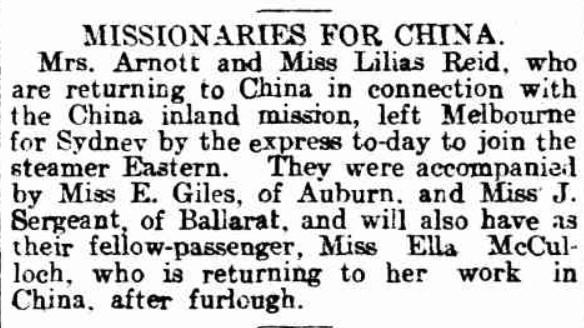
In October 1905, The Express and Telegraph in Adelaide reported Mary was returning to China.
She married again to David Urquhart and they spent time living in Hawthorn. She also attended a school reunion at Scarsdale in 1918. In 1921, she suffered another loss when her and Alfred’s son John died at Hawthorn on 31 December.
John was buried with his father at the Hamilton General Cemetery.
GRAVE OF ALFRED ARNOTT, HAMILTON “OLD” CEMETERY. Image WDF
GELLERT, Wilhelmine-Died 4 February 1909 at Croxton East. Wilhelmine Gellert was born in Prosen, Prussia (now in Poland). around 1838. She arrived in Adelaide with her family on the Hermann von Beckerath in 1847.
After a few years in South Australia, the Gellert family made their way to Victoria. In 1866, Wilhelmine married Christian Matuschka. They settled at Croxton East, near Penshurst, and went on to raise six children. Wilhelmine was buried at the nearby Tabor Cemetery.
GRAVE OF WILHELMINE MATUSCHKA (nee GELLERT), TABOR CEMETERY. Image WDF
COOKE, Sarah-Died 21 February 1915 at Mortlake. Sarah Cooke was born in Belfast, Ireland around 1822. She arrived in Victoria in the 1840s and found herself in Port Fairy where she married George Hyde in 1858. They settled in Mortlake and George worked as a bootmaker. They went on to have five children. George died in 1881. In 1914, Sarah fell and broke her thigh and was hospitalised at Warrnambool. She died the following year and was buried at the Mortlake Cemetery.
COWELL, James-Died 25 February 1917 at Mortlake. James Cowell was born in Cambridgeshire, England around 1838. He arrived in Victoria in the 1850s and from the 1860s was living in Mortlake, and working as a butcher. He then became a road contractor, taking jobs with the Mortlake Shire, remaining in that line of work until his early 1870s. When WWI broke, three of his sons enlisted, and one, Harry was killed at Gallipoli in May 1915. After the death of James, a second son Charles died from disease in England in October 1917. James Cowell was buried at the Mortlake Cemetery.
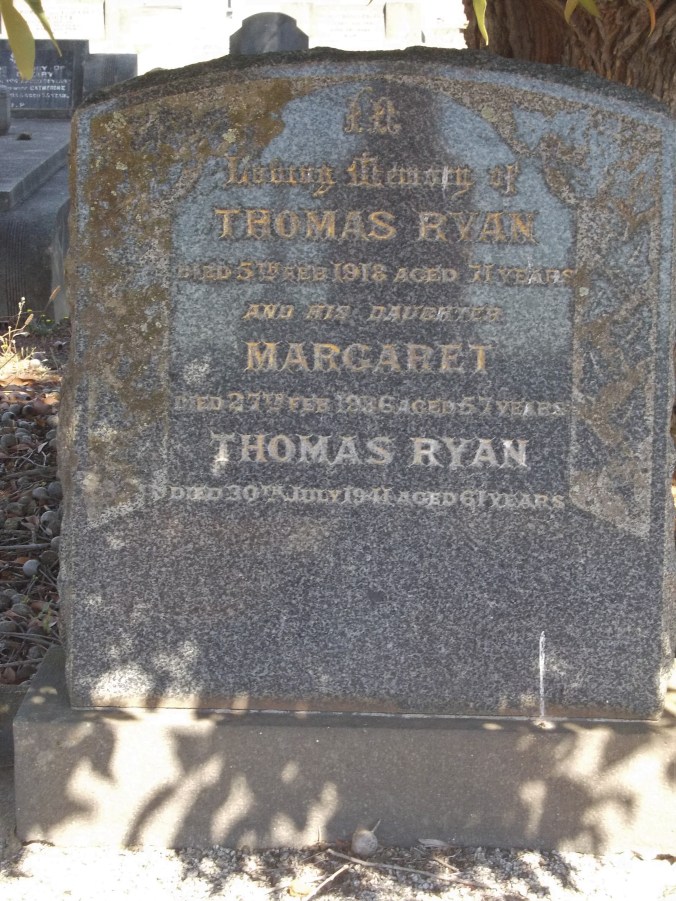
RYAN, Thomas-Died 5 February 1918 at Hamilton. Thomas Ryan was born in Tipperary, Ireland around 1837. He arrived in Victoria in the 1860s and proceeded to the Ballarat diggings. In the 1870s, he arrived in the Hamilton district and worked with Victorian Railways until retirement. In 1893, while working as a porter at the Hamilton Railway Station, he badly injured his elbow while coupling railway trucks.
Thomas was a long-time member of the Hamilton branch of the Hibernian Australasian Catholic Benefit Society (HACBS) and served in the role of president. He died in 1918, leaving two sons and two daughters. He was buried at the Hamilton General Cemetery.
GRAVE OF THOMAS RYAN, HAMILTON “OLD CEMETERY”. Image WDF
CURTIS, Mary Ann-Died February 1928 at Geelong. Mary Ann Curtis was born around 1860 and spent much of her life in the Otways. She married James Granger Henderson in 1883 and they settled in the Lorne district and raised a family. Around the early 1900s, James had his leg amputated as a result of a sawmill accident.
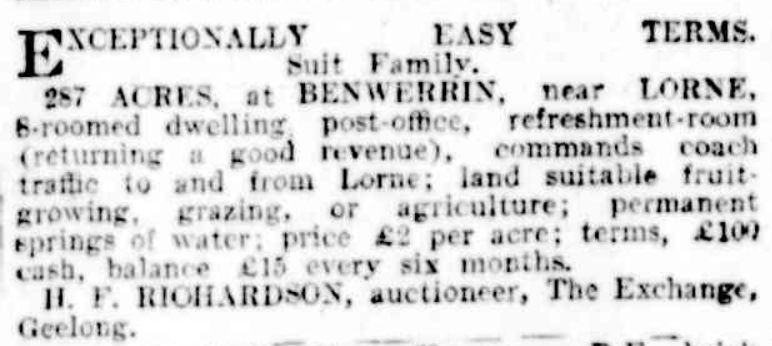
It was also in the early 1900s, the Benwerrin Post Office and Refreshment Rooms were for sale. At some point, James and Mary purchased the business.
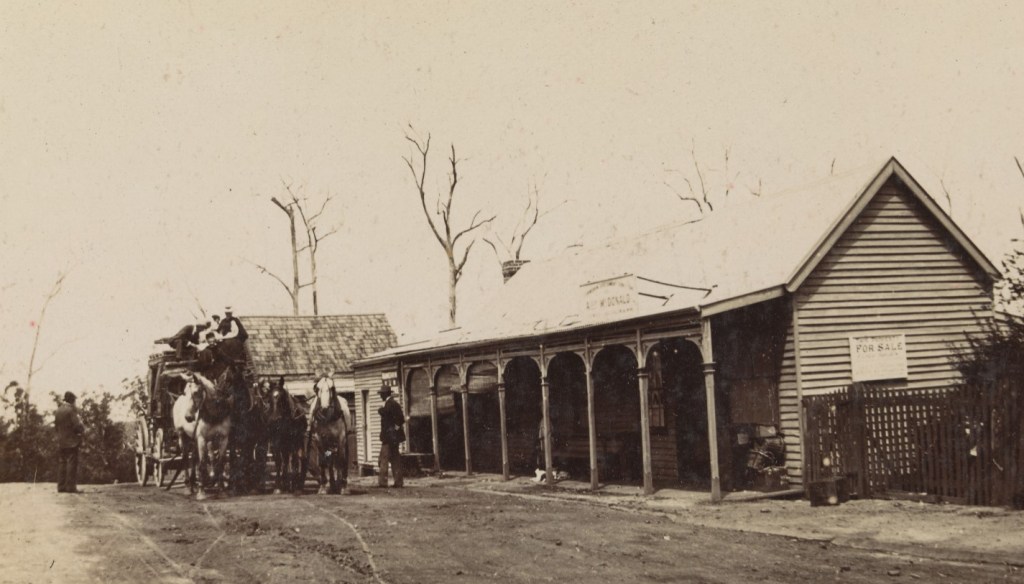
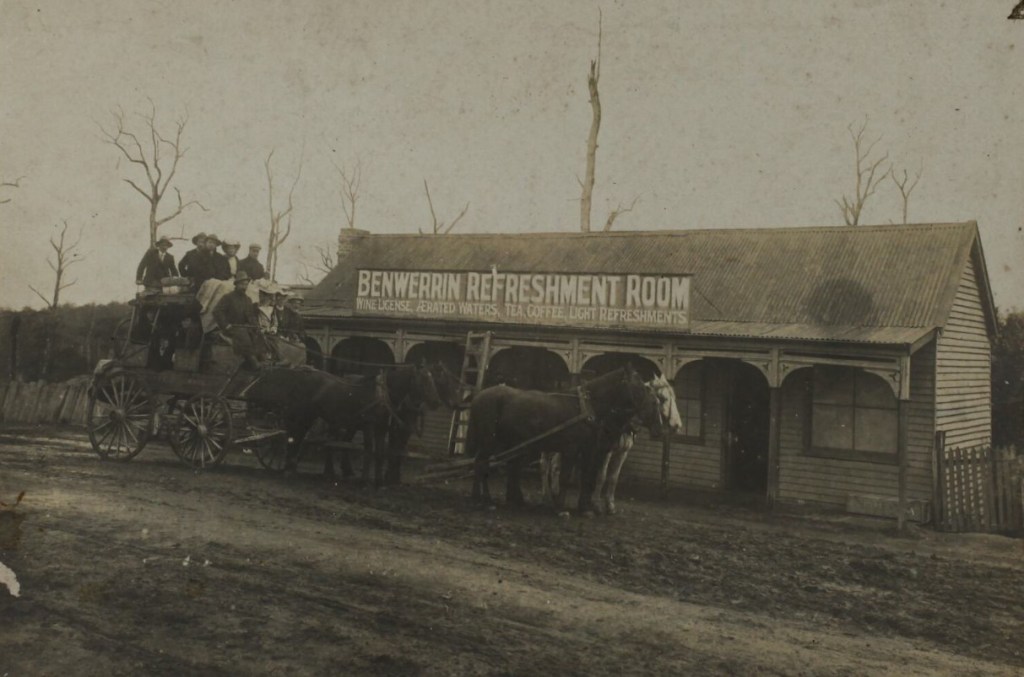
The Benwerrin Post Office, inland from Lorne, opened in 1886 and William Mountjoy was awarded the contract to run a mail coach between Birregurra and Lorne via Dean’s Marsh and Benwerrin. In 1889, the Deans Marsh Railway Station opened but a coach was still required from the station to Lorne, passing through Benwerrin. It was uphill from Deans Marsh to Benwerrin then downhill to Lorne, a trip taking about four hours. The coach stopped at the Benwerrin post office and soon refreshment rooms opened to cater to the passing tourists and proved popular to break their coach trip to Lorne.
In 1906, fire swept through the district and the refreshment rooms were lucky to survive after catching fire twice. The stables and barn were destroyed.
In 1925, James died and in 1927, Mary closed the refreshment rooms due to falling clientele brought about by the increasing number of motor cars and the opening of the Great Ocean Road to the east of Lorne in 1922. Mary moved to Geelong but died only months later.
After the closure, a journalist from the Geelong Advertiser remembered stopping at the refreshment rooms…”Tables laden with all sorts of delicious homemade edibles that would tempt anyone to eat. And above all, succulent strawberries of super size, fresh from the garden, and an abundance of cream produced on the place. To have them once was to create a longing for the return journey when another issue would certainly be demanded.”
CASS, Michael-Died 4 February 1933 at Hamilton. Michael Cass was born in Kilkenny, Ireland around 1852. When he first arrived in Australia he went to Queensland where he eventually worked for Cobb & Co. He found the weather too hot and made his way south to Victoria, taking up residence in Harrow.
Michael eventually moved on to Chetwynd where he spent 50 years farming. He married Rose Bermingham in 1881 and they raised a family. In 1916, Michael and Rose saw two sons go off to war. One of them, John died from his wounds the following year, while the other, Peter received severe wounds and returned to Australia in early 1918.
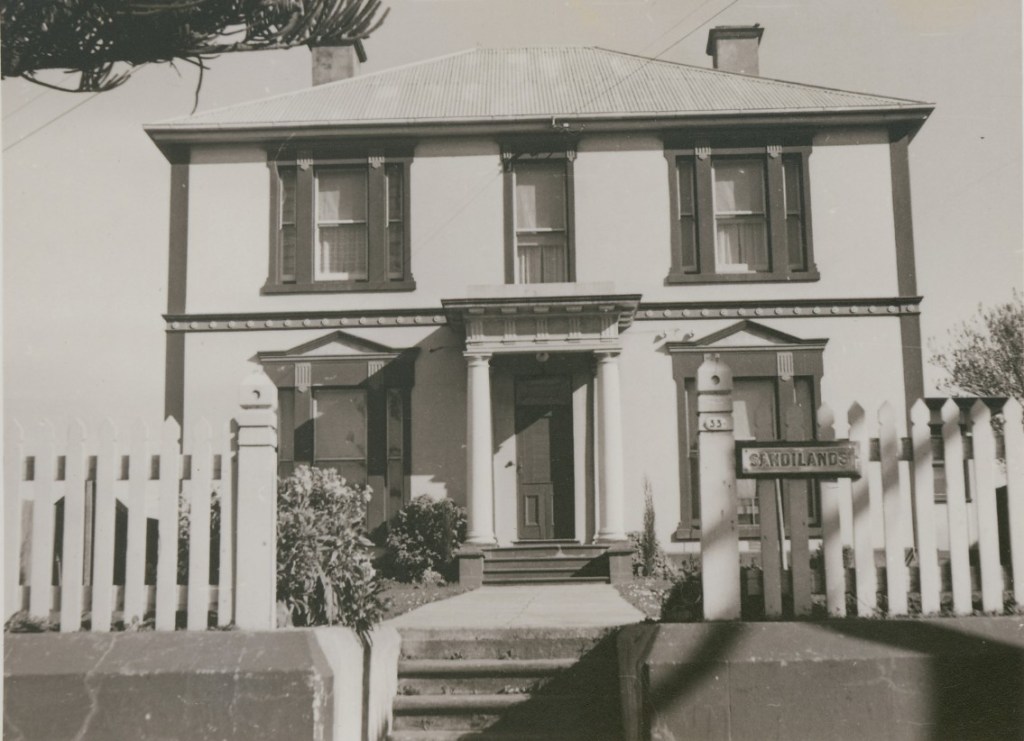
Michael retired but suffered another loss in 1922 when Rose died at Coleraine. He later moved to Portland and took up residence at Sandilands in Percy Street, a boarding house at the time.
With his health failing, Michael went to live with his son in Hamilton and it’s where he died in January 1933. Michael’s burial took place at Coleraine with Rose, and friends came from all around to farewell a quiet man known for his sense of humour.
SCHMIDT, Augustus Henrietta-Died 23 February 1953 at Camperdown. Augusta Smith was born in 1866 near Maryborough. She became a teacher and her first school was Dunach, south of Maryborough in 1884. Over the next four years, she taught in the Central Highlands area before an appointment at Tanjil in West Gippsland where she remained for two years. In 1890, Augusta was posted to Newfield School near Port Campbell. She remained teaching until 1895 and married the following year to William McKenzie. They settled at Port Campbell and went on to have three sons and one daughter.
Augustus died in 1953 and was buried at the Port Campbell Cemetery. You can view the teaching record of Augustus at the Public Record Office of Victoria (PROV) on the link-Teacher’s record
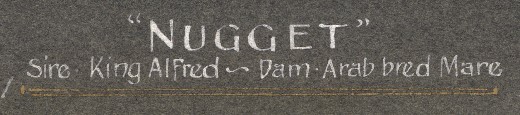
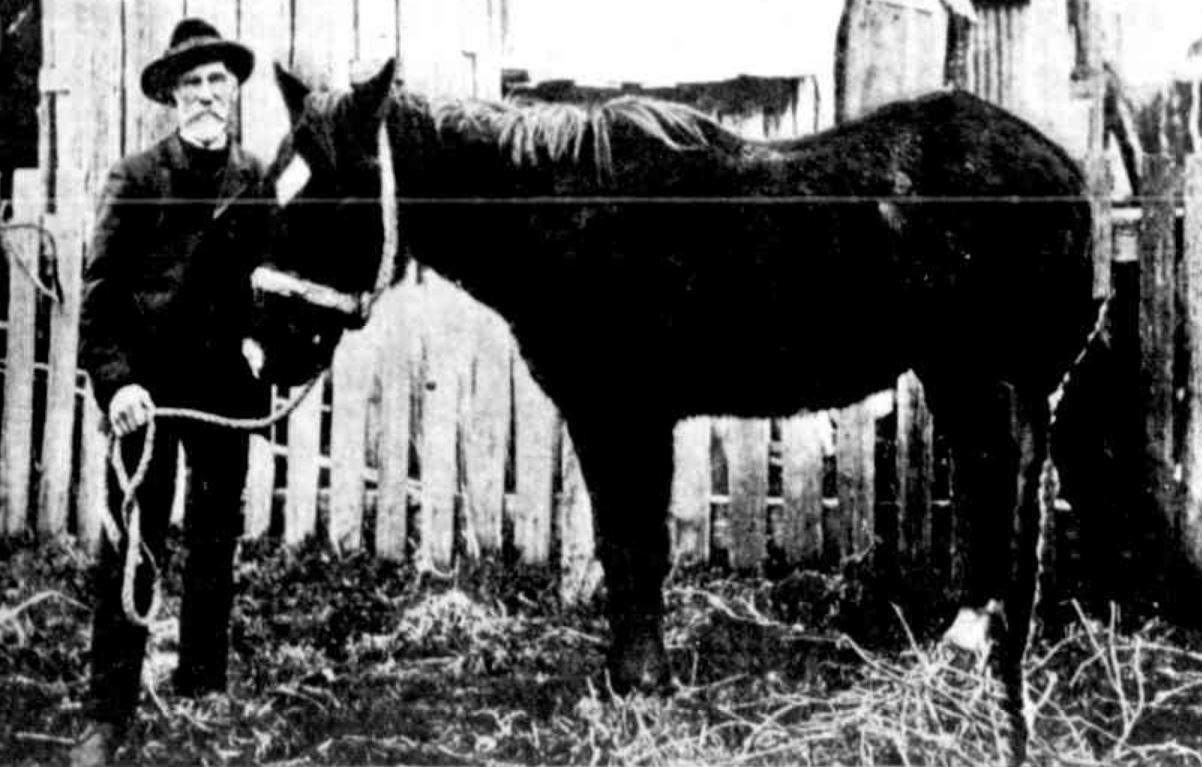
Welcome to another Take a Photo post about a man and his horse. The State Library of Victoria holds the photo below, taken on 14 February 1905. It reveals a wonderful story about a horse called Nugget and its owner, Richard Heath.
What caught my eye about the photo was that Nugget was a son of thoroughbred King Alfred, one of the most prolific sires in the Western District in the 1850s and 1860s.
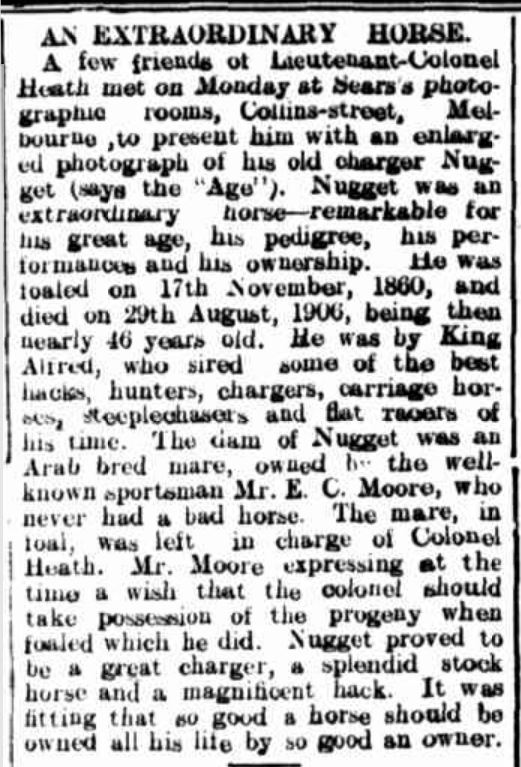
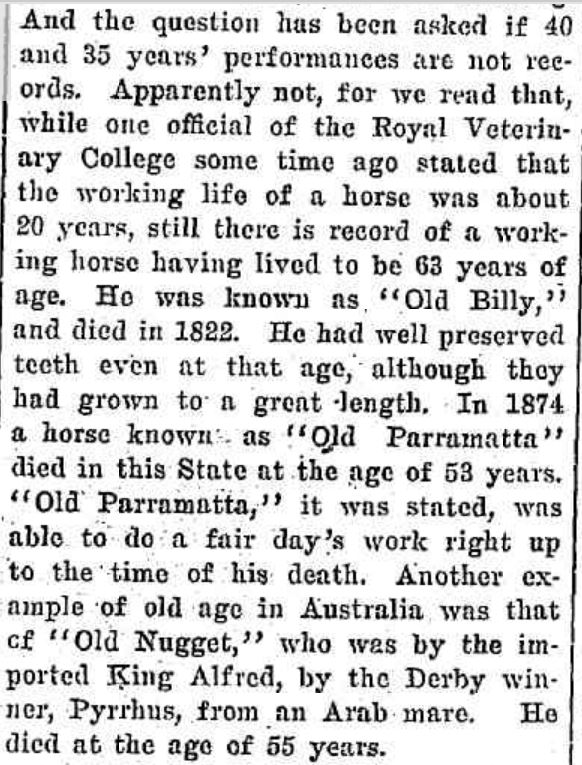
I also noticed Nugget’s age at his death was forty-six, way past the average life expectancy of a horse and placing him among the oldest horses to have lived in Australia.
King Alfred sired horses for racing, hunting, harnessing, and hacking. Within a few decades, many horses in the Western District and beyond had King Alfred’s bloodlines. Richard Lewis of Rifle Downs near Casterton imported the horse that arrived on the Severn and docked at Portland on 30 December 1854. Led from a small boat, he swam ashore with Clydesdale stallion Agronomer, another Richard Lewis purchase, who also left his mark in the Western District. King Alfred stood at Rifle Downs during the next breeding season for fifty guineas per mare.
Alfred ought to be there, we all of us swear By the blood of King Alfred, his sire; He’s not the real jam, by the blood of his dam, So I shan’t put him down as a flyer.
What cheers for King Alfred’s white-faced son Were heard when the Western chase was done,
King Alfred died in 1873, and news of his death reverberated around the country. His most famous offspring was the mare Mermaid, who won the 1871 Sydney Gold Cup for Edward Twomey of Penshurst. And then there was Nugget.
There are two stories of how dentist Richard Heath of Geelong came to own a King Alfred colt. One was that he owned an Arab mare in foal to King Alfred. He sold the in-foal mare to Dr Foster Shaw, the Geelong coroner, with the agreement being Richard would keep the foal. The other story was that while caring for the mare, owned by E.C. Moore, Mr. Moore insisted Richard take possession of the progeny.
However it came to be, Richard was likely the first person to see the foal, born on 17 November 1860, whom he named Nugget. And there began a forty-year relationship.
Richard and Nugget went everywhere together. When Richard was in his role as commander of the Geelong Volunteer Artillery Corps, it was on Nugget. He rode or drove Nugget from Melbourne to Shepparton several times and used him to muster cattle. One exception was yachting, a great love of Richard, but something he and Nugget couldn’t share. Richard was, at one time, the vice-commodore of the Royal Yacht Club.
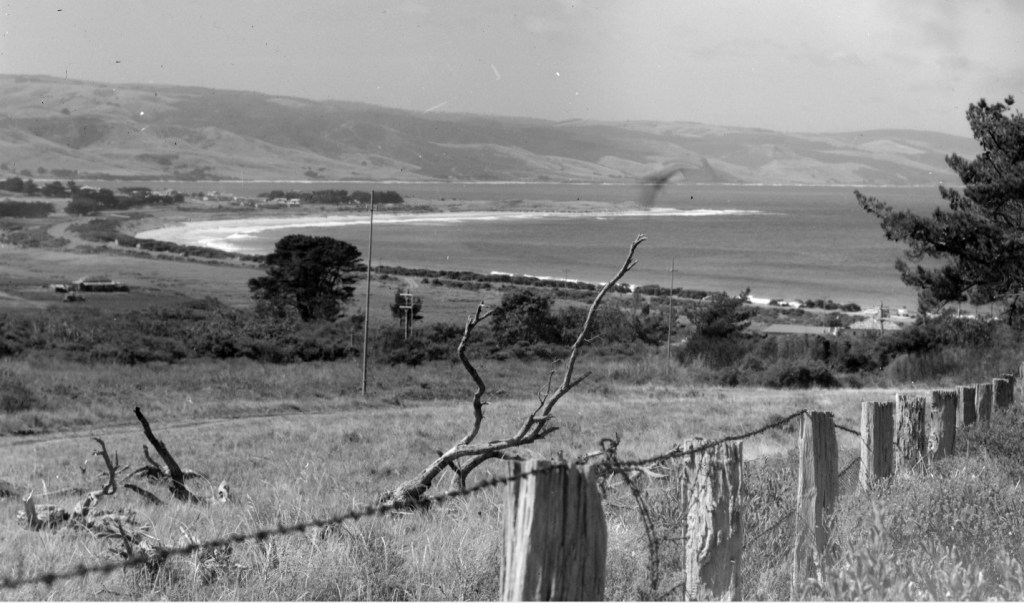
By the 1880s, Richard and Nugget lived in Apollo Bay, at Heathfield estate on the Barham River flats overlooking Mounts Bay.
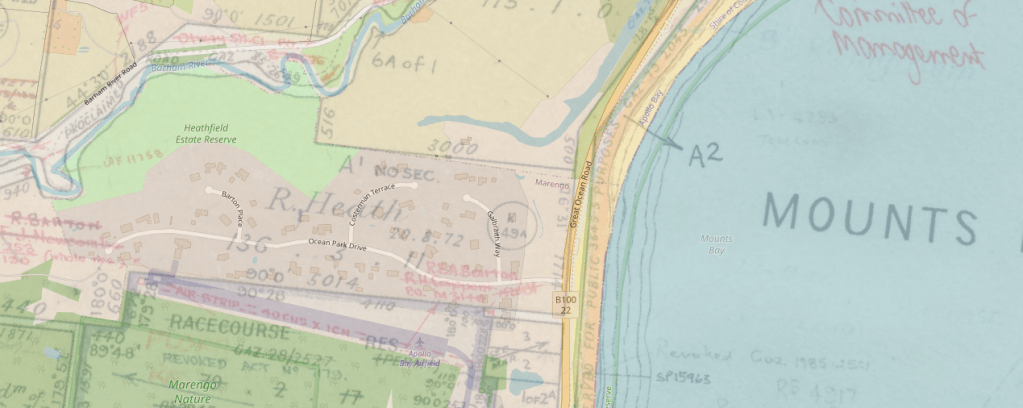
Richard selected the land in 1860 after walking along the coast from Barwon Heads to Apollo Bay. You can see “R. Heath” on his allotment on the parish plan below, along with current-day uses for the land.
KRAMBRUK PARISH PLAN. Public Record Office of Victoria, VPRS 16171,
Nugget reached 44 in 1904 and was attracting some attention.
Nugget’s long life ended on 29 August 1906, less than three months short of his 46th birthday. Richard’s friends knew his attachment to the horse and arranged a photo as a special memento, and that photo is the subject of this post.
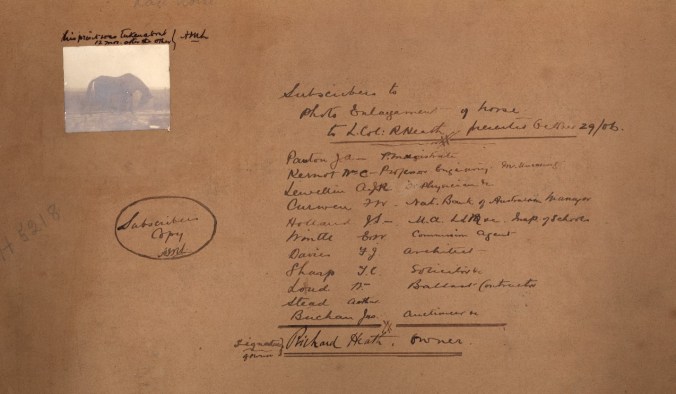
The back of the commemorative photo is interesting, with the names of those who subscribed to a copy of the photo.
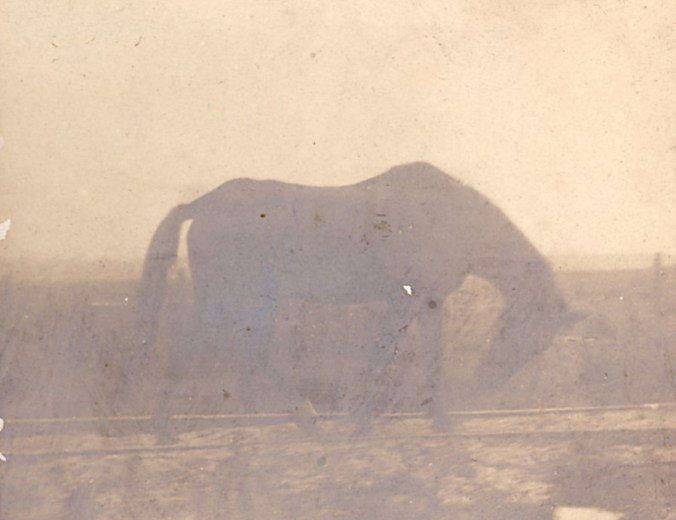
It includes Richard’s signature and a small photo of Nugget, with the caption, “This print was taken 12 mos. (sic) after the other”.
After a spell of hot weather, Richard Heath died on 27 December 1917 at home on Flemington Road, North Melbourne. His life had headed aged 86, but the story of “Old Nugget” and Richard lived on as this article from 1933 attests, despite the facts being slightly stretched.
It’s been some time since there was an April Passing of the Pioneers. It’s normally a month when I’m busy writing for Hamilton’s WW1 in preparation for Anzac Day. I thought it was about time I added some April obituaries to the Obituary Index. There are eight obituaries for April from Hamilton, Coleraine, Bushfield, and Allansford. They include the wonderful story of Jurgen Wacks, a musician who, while in Denmark, played in the orchestra of a composter known as the “Strauss of the North”.
REMFRY, Thomas Cyprian– Died 4 April 1887 at Hamilton. Thomas Remfry was born around 1816 in Devonshire. As a young man, he joined the Manchester Unity Independent Order of Oddfellows (MUIOOF) in Cardiff, Wales, and remained involved throughout his life. Thomas married Elizabeth Remfry in 1839.¹ In 1854, Thomas and Elizabeth arrived at Portland on the Nestor² and Thomas gained work as a carpenter.
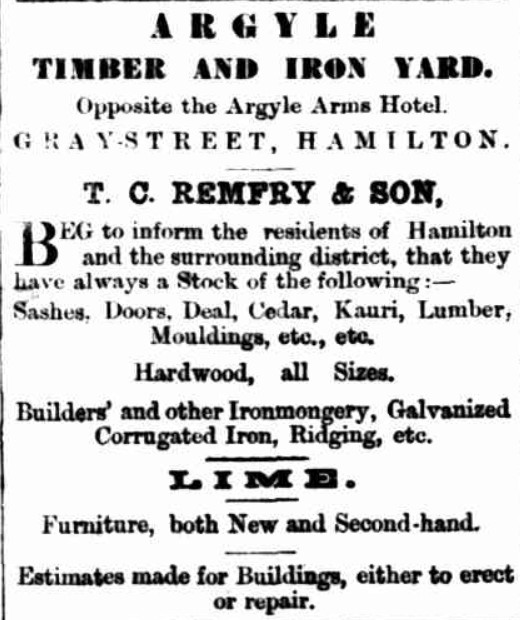
By April 1862, Thomas had a listing in the Hamilton Spectator‘s Hamilton Business Directory and lived in Gray Street. He later went into business with his son opposite the Argyle Arms Hotel in Gray Street.
“Advertising” Hamilton Spectator (Vic. : 1870 – 1918) 12 June 1879: 3
Thomas was a Freemason in Portland and Hamilton. In 1856, he joined the Portland Lodge of Victoria EC as one of the early members. He was also a founder of the Grange Lodge at Hamilton in 1864, and the first grand noble of Hamilton’s Princess Alice Lodge.
“Items of News.” Hamilton Spectator, 5 April 1887, p. 2.
Thomas died in 1887, aged 71. Elizabeth died in 1900. They are buried at the Hamilton General Cemetery (below right). The fallen monument to the left marks the grave of two victims of the diphtheria epidemic in the Hamilton district in 1880. They were Thomas and Elizabeth’s five-year-old granddaughter Emma Elizabeth Remfrey and three-year-old Jessie Hearn of Cavendish, a daughter of Brown Hearne and Elizabeth Huntley. You can read more about the epidemic on the link to Broken Memories Part 3.
Thomas and Elizabeth’s grandson, Hamilton born Herbert Thomas Christoph Layh, a son of Jane Remfry and Charles Layh, was a Lieutenant Colonel during WW1 and awarded a Distinguished Service Order (DSO), a bar to his DSO, a Companion of the Order of St Michael and St George, and mentioned in dispatches three times.
WACKS, Jurgen Andreas – Died 12 April 1899 at Hamilton. Jurgen Wacks was born around 1827 in Schleswig, Germany, then a region of Denmark comprising a mix of Danes and Germans. He joined the army in the 1840s and fought in the German-Danish war between Denmark and Schleswig-Holestein.
Schlwesig returned to German rule and Jurgen went to Copenhagen and played cello in an orchestra under composer Hans Christian Lumbye, known as the ‘Strauss of the North’. During that period, Lumbye was the musical director at Tivoli in the city.
In 1856, Jurgen married Margarethe Marie Nicoline Janssen in Copenhagen3, and a son Adolph was born in the city in 1857.4 They eventually left Copenhagen and made their way to Australia. By around 1862, the family lived at Creswick, north of Ballarat. Jurgen joined the Grand Lodge of Freemasons, something he continued when he settled in Hamilton around 1878.
Jurgen was in the trade of painting and decorating and once in Hamilton opened his doors to customers in Gray Street. His stock expanded over the years to include paints for artists and framing. He also offered piano tuning.
Jurgen continued with his music and was the conductor of the Hamilton Orchestral Society and often played the violin at concerts. An Amateur Orchestra Society followed in 1888 with Jurgen as the conductor. He continued with the society until his death. In 1896, he returned to playing the cello just as he had forty years before in Copenhagen.
A charitable man, Jurgen Wacks, died in April 1899 after some illness.
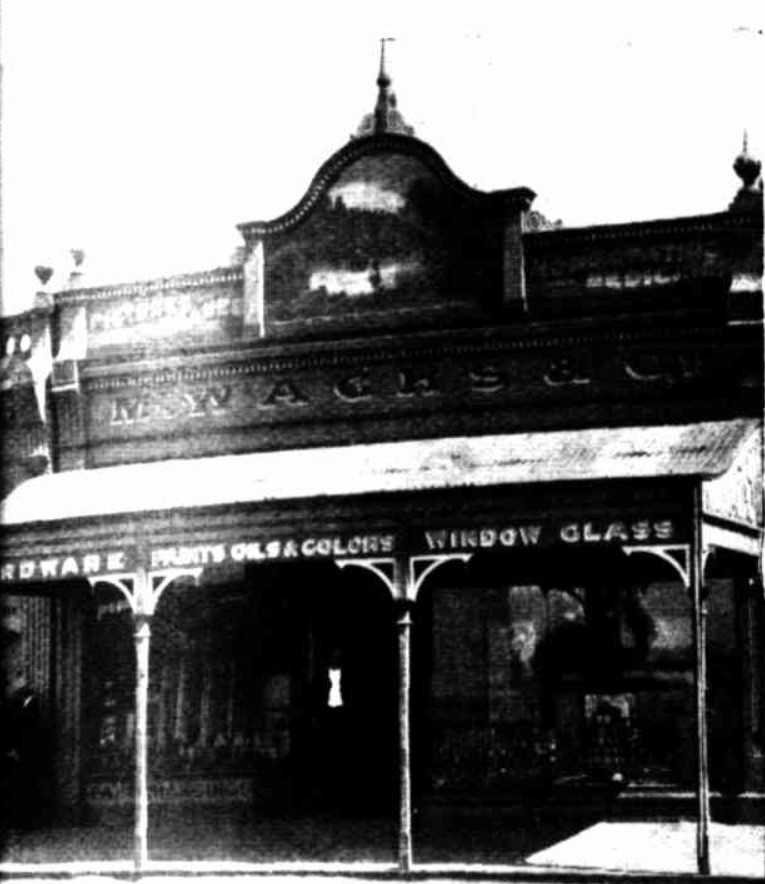
Margaretha continued operating the business until 1903 when a manager was installed and the business name changed to M. Wacks & Co. Punch photographed the shop in 1905 (below). Margaretha died in 1921.
“WACKS & CO’S PREMISES, HAMILTON.” Punch 26 January 1905, p. 22
Press play below, to hear the music of Hans Christian Lumbye, once played by Jurgen Wacks in Denmark.
ROUTLEDGE, Issac – Died 26 April 1902 at Hamilton. Issac Routledge was born in 1823 in Wigton, Cumbria, England. As a young man, he left England for America, but on hearing of Australia’s gold rush, he returned to England to board a ship to Australia. He arrived on the Flora Temple in 1852. After some time at the diggings, Isaac arrived in Hamilton around 1858 and worked as a bootmaker on the southern side of Gray Street. He later opened his own shop.
In 1861, Issac married Jessie Innes. He was active in the community as a borough councillor, a member of the Hamilton Bowling Club, a committee member of the Hamilton Mechanics’ Institute, and a founder and director of the Hamilton Gas Company.
In 1875, Jessie died aged forty-four. The following year, Isaac remarried to Rebecca Bullock.
In 1889, Isaac had a home built for him on Ballarat Road, on the east side of the Grange Burn, between George Street and Rippon Road, with a view of the Grampians. It was designed by a local, Mr Hammond, and named Grange View.
At the time of his death, Issac left a widow, one son, and four daughters.
Issac’s daughter Amelia took over the running of her father’s business and in 1905, the business was taken over by Williams the Shoeman.
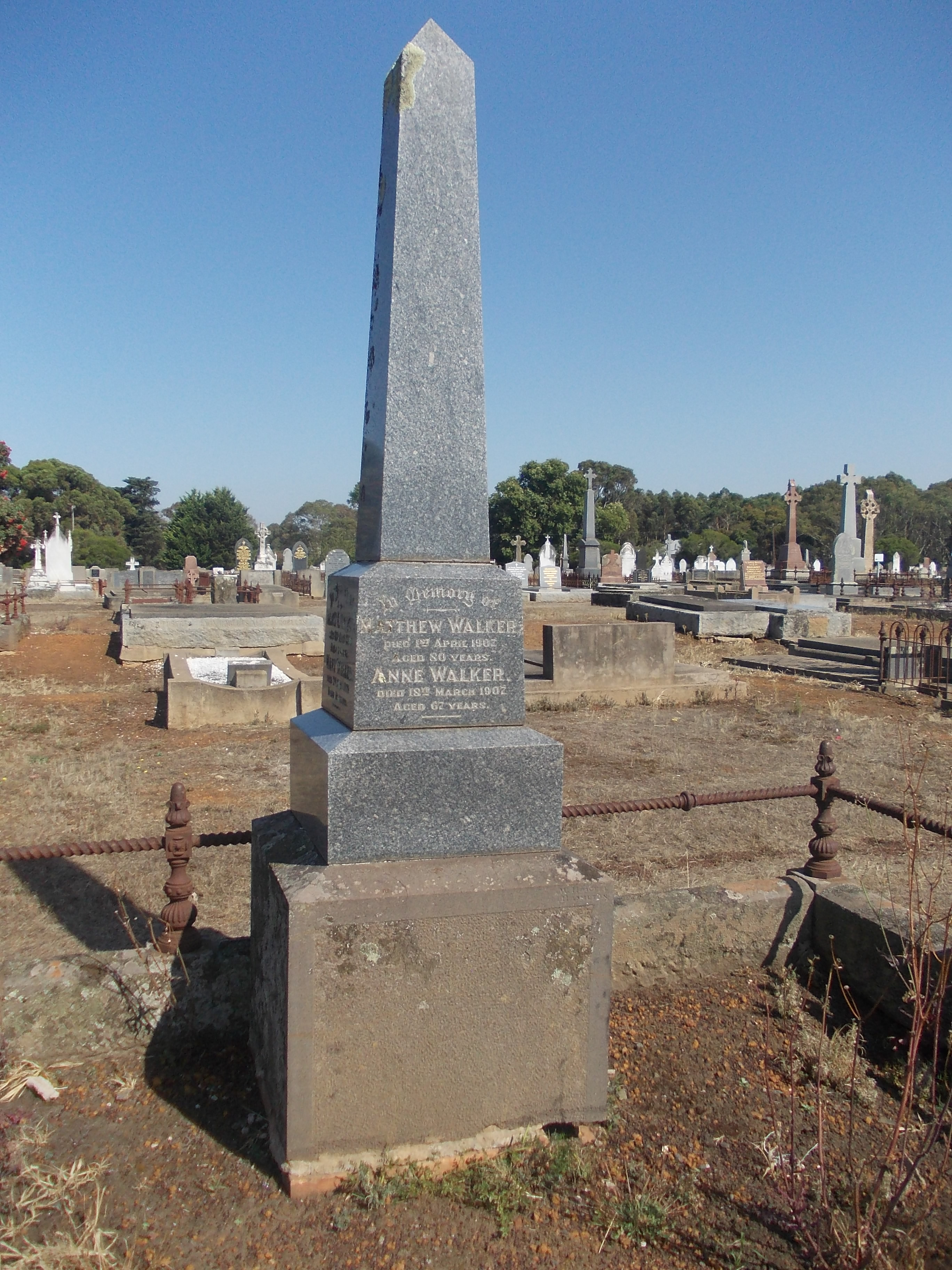
WALKER, Matthew – Died 2 April 1907 at Hamilton. Matthew Walker was born in Hamilton, Scotland, around 1828. In the early 1850s, a group of residents near Matthew’s home purchased a ship, intending to sail to Australia. All adults wishing to sail bought a share in the ship, the Sophia Burbidge.
On arrival, Matthew spent time at the Bendigo and Ballarat diggings before working on the Yan Yean waterworks. He then headed west and gained work on one of the large stations owned by the Chirnside brothers.
In 1865, Matthew married Ann Martinen, Matthew found his way to Hamilton and took up work at Grange Mill and their first child was born in Hamilton in1867
Next, he secured a job as sexton of the Hamilton Cemetery, a position he held for the rest of his life.
In 1878, the passengers of the Sophia Burbidge came together for a 25th anniversary. In 1903, they met again for the 50th anniversary with their numbers depleted. Matthew made the trip to Melbourne.
In his later years, Matthew suffered ill health but remained active. He took a blow in 1907 when Ann died on 18 March. His health sank, and he died on 1 April. Matthew and Ann were buried together at the Hamilton (Old) Cemetery.
JAMES, Mark – Died 28 April 1909 at Coleraine. Mark James was born in Staffordshire, England, around 1843. He arrived in Victoria aboard the Red Jacket in 1860. In 1866, he married Emma Taylor and their first child was born the following year at Mortlake. By 1879, Mark had moved his family to Coleraine.
Mark went into business as a timber merchant. A founder of the Coleraine Rifle Club, he was also involved with the local branch of the Mounted Rifles and the Sons of Temperance Society. A Methodist, he was a local preacher and a member of the Coleraine Methodist Church Sunday School committee, the Coleraine Mechanics’ Institute, the cemetery trust, and the debating club.
When he died suddenly from heart failure in 1909, Mark left a widow, four sons, and three daughters. He was buried at the Coleraine Cemetery.
CARUTH, Alexander – Died 10 April 1915 at Bushfield. Alexander Caruth was born in County Antrim, Ireland around 1822. He arrived in Victoria around 1853 aboard the Bloomer. He travelled to Kirkstall, near Warrnambool, but gold lured him back to the east. During the events at the Eureka Stockade in December 1854, Alexander was just to the north at Creswick.
Alexander married Elizabeth Clarke in 18585. The couple went to Bushfield around 1861 and settled at Spring Flat for the rest of their lives. They raised a large family, and when Elizabeth died in December 1914, she left two sons and five daughters. Alexander’s health started to fail after Elizabeth’s death and he died five months later. He was buried at the Warrnambool Cemetery.
ABRAHAM, Elizabeth – Died 5 April 1916 at Allansford. Elizabeth Abraham was born at Tooram, Allansford around 1848. She attended Allansford School before her family moved to Mepunga, south-east of Allansford. In 1865, Elizabeth married James Anderson.6
The couple settled in Allansford, where James was the local postmaster. Elizabeth had twelve children, three of whom died as infants. Another two children died while in their late teens. Elizabeth was actively involved with the local Presbyterian Church and was a charitable woman who happily offered advice when asked of her.
At the time of Elizabeth’s death in 1916, she left three daughters and four sons. The flag at the Allansford State School flew at half-mast. Her funeral saw 120 buggies join the cortege to the Warrnambool Cemetery.
References
1. Free BDMs, England and Wales Civil Registration Indexes, Cardiff, Vol 26 p. 469, 1839, Thomas Remfry
2. Public Record Office of Victoria, Register of Assisted Immigrants from the United Kingdom [refer to microform copy, VPRS 3502] (VPRS14), P0000, Book No.10 , Nester, 1854, Thomas Renfrew
3. Denmark Church Records, Rigsarkivet; Danmark; Kontraministerialbog; Reference: 8025888571, Jürgen Andreas Wachs, 1856
4. Rigsarkivet; Danmark; Kontraministerialbog; Reference: 8025888551, Andreas Jürgen Wachs, 185
5. Department of Justice, Victoria Victorian Marriage Index, Alexander Caruth 1853, Registration No. 3438/1858
6. Department of Justice, Victoria Victorian Marriage Index, Elizabeth Abraham, 1865, Registration No. 4260/1865
Just like that, Western District Families has reached its teenage years. Thirteen years ago today I pressed “Publish” on my first post.
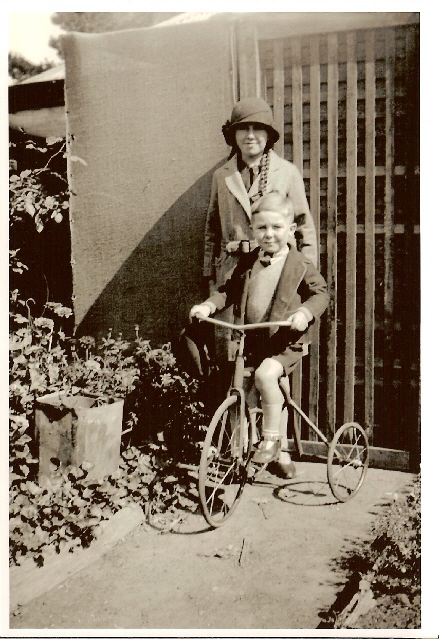
April 2011 was a sad time. My interest in the past came from my Nana, her love of old photos, and stories of her early years. This is Nana, Linda Hadden, as a teenager, with her nephew Les.
She inspired me to start Western District Families, but before I pressed “Publish” thirteen years ago, Nana died on 6 April 2011, aged 91. She never got to see the finished product, nor did I get to share with her the wonderful stories I’ve unearthed along the way. But she’s still with me in spirit and this photo of her as a toddler watches over me as I research.
My posts to the site are not as frequent as they were, but Western District Families is not going anywhere. I still have many stories I want to share. The WDF Facebook page continues to go from strength to strength, now with over 14,000 followers, proving there is still a lot of interest in the history of the Western District.
Ideally, I would like to post here once a month. I don’t think I’ll achieve that over the next year, but I’ll try. And even if new posts are few, and far between, there are still over 450 posts from the past thirteen years, the Pioneers’ Obituary Index, and over 160 Hamilton’s WW1 biographies to discover.
A new Passing of the Pioneers post is long overdue. So getting 2024 started, I bring you January Passing of the Pioneers, the obituaries of early Western Victorians who died during the month of January. The men and women in the post come from the Camperdown district, Port Fairy, Coleraine, Carpendeit, and Hamilton. Don’t forget to click on the names to read the newspaper obituary of each person, and click on other links throughout for further information. You can find previous obituaries on the link-Obituary Index
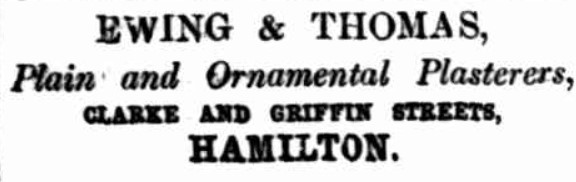
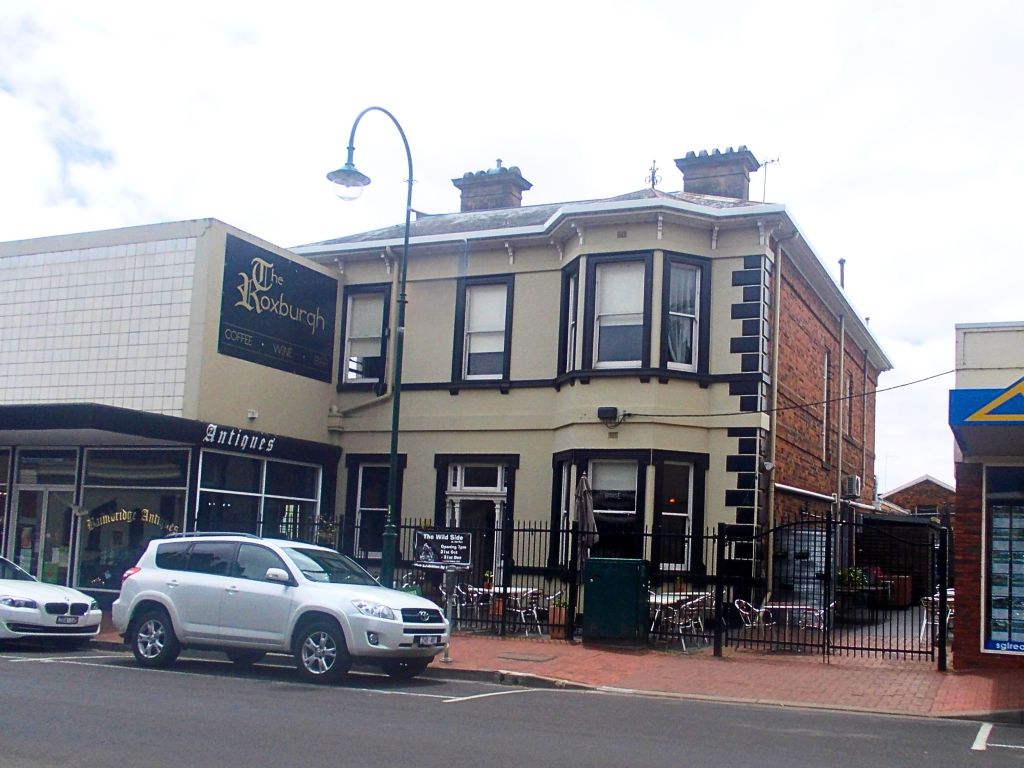
EWING, James-Died 9 January 1892 at Hamilton. James Ewing was born in Peterhead, Scotland, in 1809. He and his wife, Jane Pirie, arrived in Victoria in the early 1850s and in Hamilton by 1860. James was a plasterer by trade. He was initially in business with John Thomas, then later went out on his own.
James died in 1892 and was buried at the Hamilton Cemetery. His wife Jane died ten years later.
GRAVE OF JAMES AND JANE EWING, HAMILTON GENERAL CEMETERY
HAMMETT, Richard-Died 10 January 1911 at Hamilton. Richard Hammett was born in Devonshire, England around 1849. He arrived in Portland and started work as a butcher for William Lewis in that town and nearby Heywood.
When he first arrived in Hamilton, Richard worked for the well-known Hamilton butcher, Thomas Brown. He soon went into partnership with Mr Willett, before operating on his own, which he did for many years.
In 1891, Richard, with the help of his wife Bridget, operated the refreshment rooms at the Hamilton Railway Station, something they did for several years.
Twice married, Richard lived in Goldsmith Street. He was fond of horse racing and also terrier coursing for which had some success.
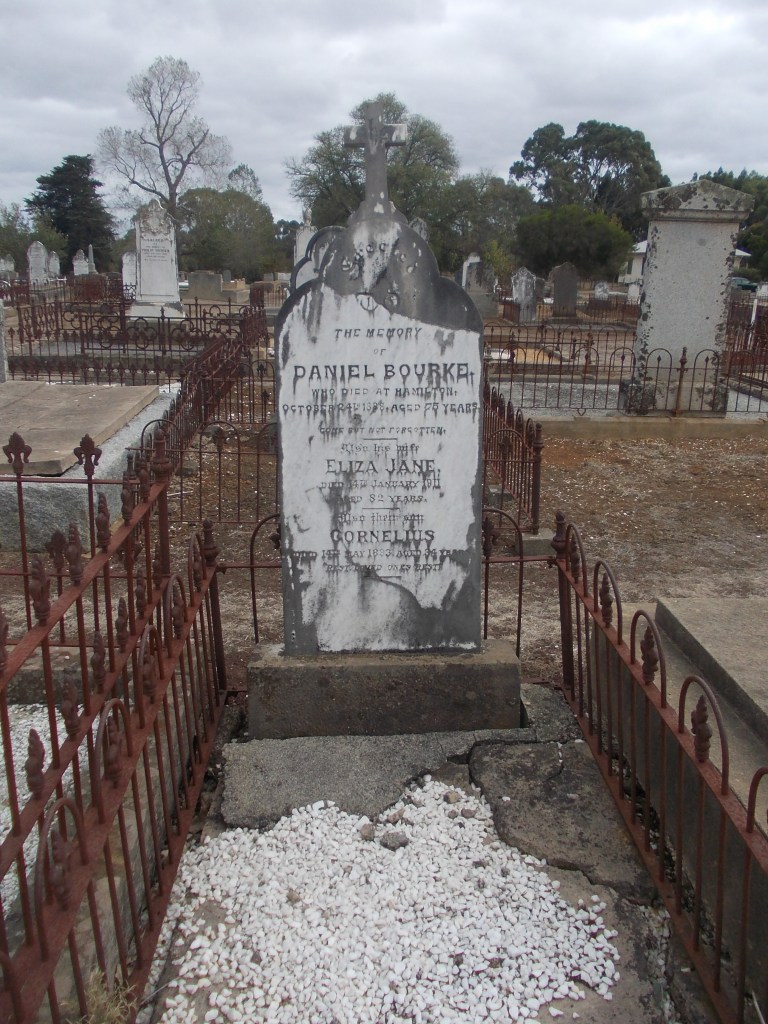
HENRY, Eliza Jane-Died 14 January 1911 at Hamilton. Eliza Henry was born in Monaghan, Ireland, and arrived in Victoria in 1844 aboard the Wallace. She headed for Pleasant Creek (Stawell West), then part of the Concongella run, where she married butcher Daniel Bourke in 1845.1 Daniel, Eliza, and their family arrived in Hamilton in the 1860s and settled in Digby Road. In October 1888, Daniel died of strychnine poisoning.
BOURKE FAMILY GRAVE, HAMILTON GENERAL CEMETERY
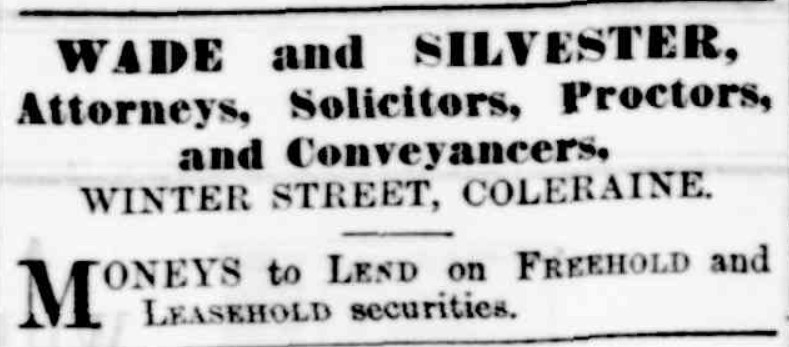
SILVESTER, Eugene-Died January 1912 at Malvern. Eugene Silvester was born at Balmoral around 1858 and educated at Hamilton College. Known as “Sunny Face” at school, his popularity as a child continued into adult life. He was successful academically and in sports. His academic achievements saw him eyeing a career in law and after his studies, he spent a year as an articles clerk for Anglelo Palmer, a Hamilton solicitor.
The death of Coleraine solicitor Arthur Wade in March 1881 left an opening for a solicitor in the town and in 1882 Eugene opened his own practice in the town, keeping the name of his predecessor in the business name Wade and Silvester.
The same year, Eugene married Ethel Archer.2 They had three sons, Grenville, Eric, and Clive.
Eugene’s talent as a solicitor soon shone through and, as well as gaining many private clients, four nearby shires appointed him as their legal advisor. He later opened an office in Casterton, which his son Grenville took over when he finished his studies. The firm became known as Silvester and Silvester.
Eugene was a Wannon Shire councillor, representing the Balmoral Riding and then the Coleraine Riding. He was the first president of the Coleraine Progress Association, the trustee of the Coleraine Showgrounds, a director of the Coleraine Butter Factory, a freemason, a member of the Mechanics’ Institute, and a member of the Hamilton College Old Boys Association. He also continued his love of sport. He was a champion tennis player and once captained the Hamilton Football team in a game in Ballarat. He also played golf and cricket. His sporting ability saw him called “Pocket Hercules”.
In 1911, heart troubles began for Eugene. After falling ill on a trip to Melbourne for business, he fell he was admitted to Dr. Murray’s Private Hospital. His condition gradually deteriorated, until the sad news reached Coleraine that Eugene Silvester was dead aged 54.
At Hamilton, the flag flew at half mast at the Hamilton & Western District College and in October 1913, the school unveiled a tablet in his honour. In 1916, when the Coleraine Recreation Reserve opened, it received the name “Silvester Oval” in honour of the town’s popular resident. That name remains today.
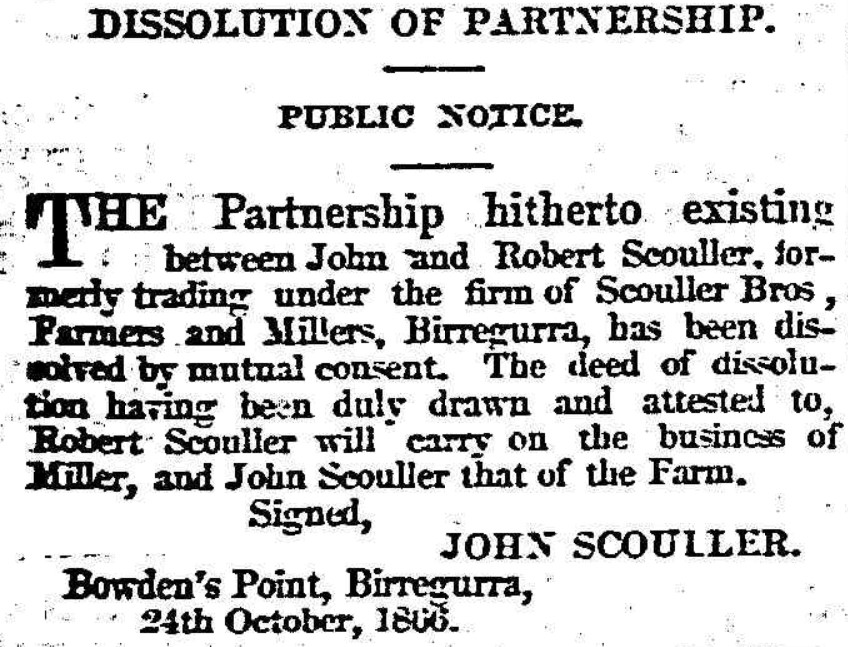
ANSON, Mary-Died 4 January 1914 at Carpendeit. Mary Anson was born in England around 1841 and arrived in Victoria as a girl with her parents. The Anson family settled at Birregurra, east of Colac. It was there Mary met Robert Scouller and they married. Robert operated a flour mill at Birregurra in partnership with his brother John until 1866.
Within a few years, Robert and Mary moved to Carpendeit, between Colac and Cobden. Robert moved from a flour miller to a saw miller.
Although Mary had some illness in the years before her death, her passing came relatively suddenly while sitting at the breakfast table at her son’s home. She left nine children at the time of her death. Mary was buried at the Warrncoort cemetery on 6 January 1914.
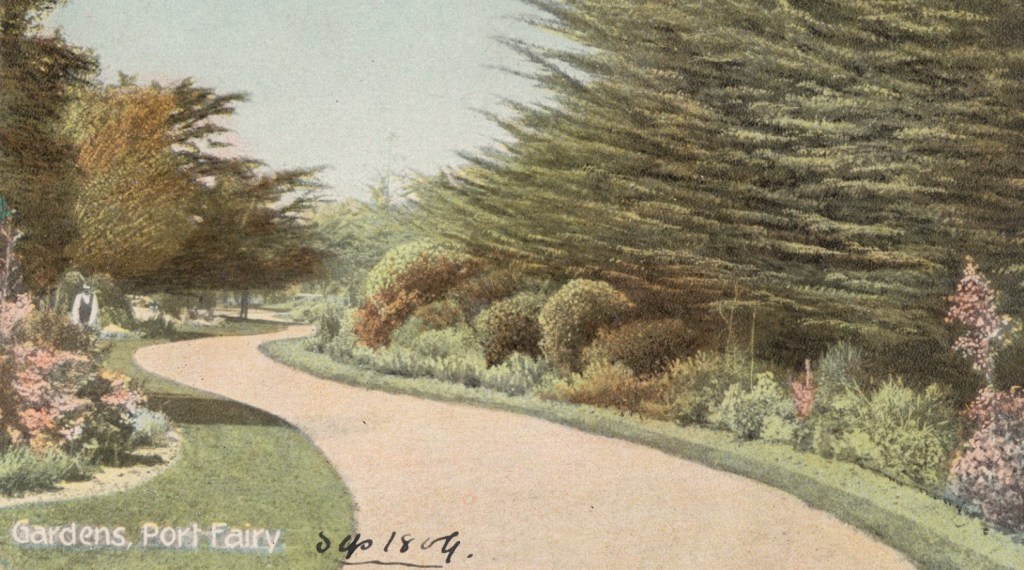
PRIOR, Margaret-Died 5 January 1918 at Port Fairy. Margaret Prior was born in Cashel, Ireland around 1831. She married James Prior in Ireland and arrived in 1859 on board the Sarah Dixon. They settled in Port Fairy and remained there for the rest of their lives. James was a curator of the Port Fairy Botanic Gardens for 37 years.
James died in 1911and after a long illness, during which her family cared for her, Margaret died in 1918. Two sons and three daughters survived her. Margaret’s obituary described her as “…a woman of upright principles and the possessor of a very charitable disposition. She was a most entertaining and interesting personality.”
GELLIE, James Wilson-Died 10 January 1938 at Camperdown. James Gellie spent his 91 years in the Camperdown district. He was born around 1847 at Chocolyn estate on the banks of Lake Colangulac, just north of Camperdown, and died in 1938 in Camperdown.
On arrival in Victoria, James’ father William secured work at Chocolyn and he and his wife Hannah moved to the district after spending some time in Melbourne. William Gellie selected land after a trip to the diggings in the 1850s, including a property on what is now Gellie Street, between the town and the racecourse.
James first worked for his father, but in 1870, he purchased a team of bullocks. He traversed the district carting with his bullocks. He also went to South Australia, droving cattle and horses. In 1874, James married Margaret McKenzie at Belmont. The couple settled first at Lake View near Camperdown, a property of William Gellie. Later, they moved into town and James ran a livery stable in Manifold Street.
His interest in horses extended to racing and James himself trained several horses, with Rigmarole and Postboy among the best. James attended the Melbourne Cup each year and was a member of the Camperdown Racing Club. He was also a member of the Camperdown Pastoral and Agricultural Society. James was buried at the Camperdown Cemetery.
In 1932, James shared memories of his life with the Camperdown Chronicle. He recalled a visit to Mount Gambier on one of his droving trips in the 1870s. It was significant for James as he was a fan of the poet Adam Lindsay Gordon. Even in his mid-eighties, James could recite Gordon’s poem “The Sick Stockrider”,
For good undone and gifts misspent, and resolutions vain,
Tis somewhat late to trouble. This I know-
I should live the same life over, if I had to live again;
And the chances are I go where most men go.
From ‘Bush Ballads and Galloping Rhymes’ (1870).
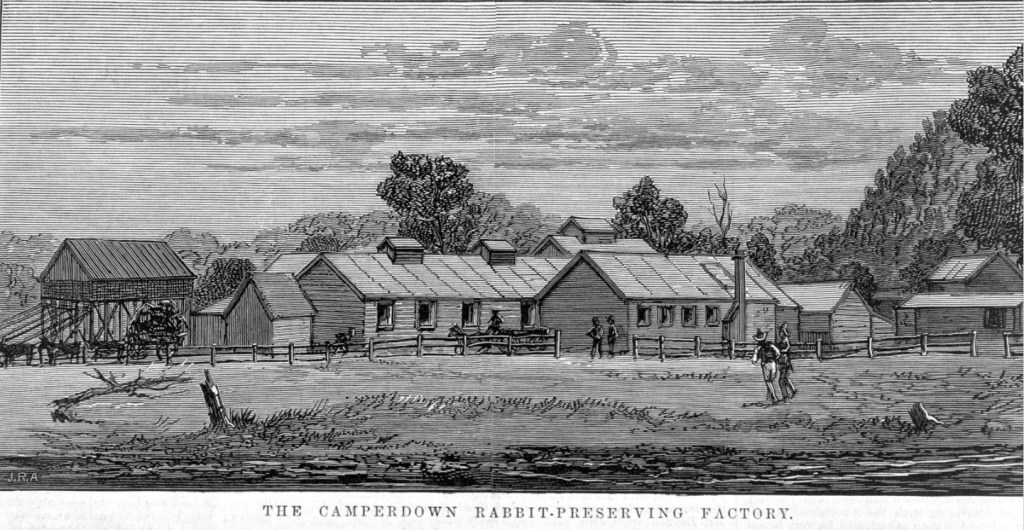
LUCAS, William Horace-Died 12 January 1943 at Stonyford. William Lucas was born at Marida Yallock in 1866 to Richard Lucas and Harriet Prestage.3 Harriet died just two years later in 1868 and William went to live with his grandparents in Camperdown while his father continued working and later settled at Pomborneit. Richard Lucas had a carting contract with the Colac Rabbit Factory and William, while still a lad, would help his father.
When William was older, he worked as a dairy farmer at Stonyford, southeast of Pomborneit. He married Ann Scouller in 1897.4 Ann gave birth to six children, but three died as infants. William and Ann are pictured below with Ila and Horace c1906.
William was a foundation member of the South Purrumbete Debating Society and was often called on to chair meetings. He also played competitive draughts locally and in Melbourne.
William died in 1943. His funeral was large, with many floral wreaths. He left his widow Ann, two sons and one daughter, also two grandchildren who carried a wreath to his grave.
AdditionalSources
Victorian Marriage Index, Department of Justice, Victoria, Eliza Henry, 1845, Reg. No.: 4953/1845
Victorian Marriage Index, Department of Justice, Victoria, Eugene Silvester, 1882, Reg. No. 4964/1882
Victorian Birth Index, Department of Justice, William Horace Lucas, 1866, Reg. No. 20048/1866
Victorian Marriage Index, Department of Justice, Victoria, William Horace Lucas, 1897, Reg. No. 3346/1897
Recently I added a Roll of Honour to the “Hamilton’s WW1” section of this site. The page lists the names of 187 men associated with Hamilton who did not return from the Great War. Their names come from the various honour rolls and avenues of honour found in Hamilton.
The youngest of the men were just boys, being just 18 at the time of their deaths. The oldest men were 48. They were born in places across the Western District and other Victorian locations, such as Swan Hill, Shepparton, and Fitzroy. They also came from interstate, South Australia, Queensland, Tasmania and Western Australia. Others were born overseas in England, Scotland, and Fiji. Their occupations varied, from boundary riders and farmers to law clerks and teachers. There were five sets of brothers who did not return.
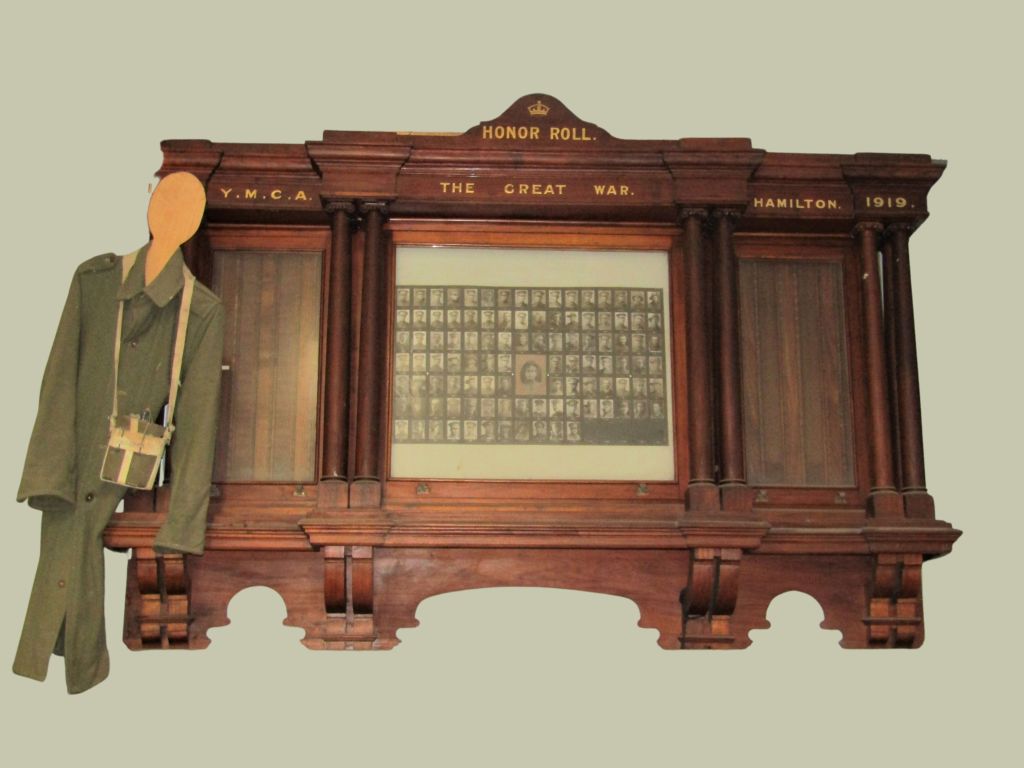
Along with the names, you can also view photos of 71 of the men. The photos come not only from the Australian War Memorial but also from the Hamilton YMCA and Hamilton Fire Brigade honour boards.
You can also read the biographies of 138 of the men, just click on the underlined names.
Find the Hamilton WW1 Roll of Honour on the link below:
The number of photos I have of the Hamilton General Cemetery is mounting, and it’s taking me longer to get through them all. To easily view some of my favourite photos, I created a video and recently uploaded it to the Western District Families YouTube channel. I love wandering around the cemetery and now I can “wander” whenever I desire.
When viewing the video, you’ll notice quotes throughout that I have borrowed from writers who have Hamilton streets named after them-Shakespeare, Dickens, and Tennyson. In fact, Charles Dickens has a link to the cemetery, as his daughter-in-law Jessie Dickens (nee Devlin) was buried there in 1878, during the time Alfred Tennyson Dickens, a son of Charles Dickens, was living and working in Hamilton. You’ll see Jessie’s grave in the video.
Another grave of note you’ll see is that of Alexander MacKillop, who died while visiting Hamilton in 1868. Alexander was the father of Saint Mary MacKillop.
Come with me now on a tour of the Hamilton General Cemetery…
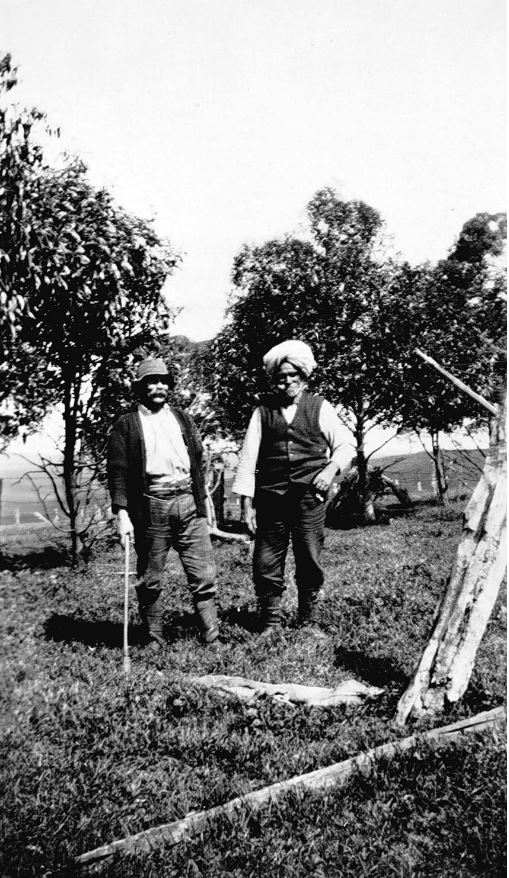
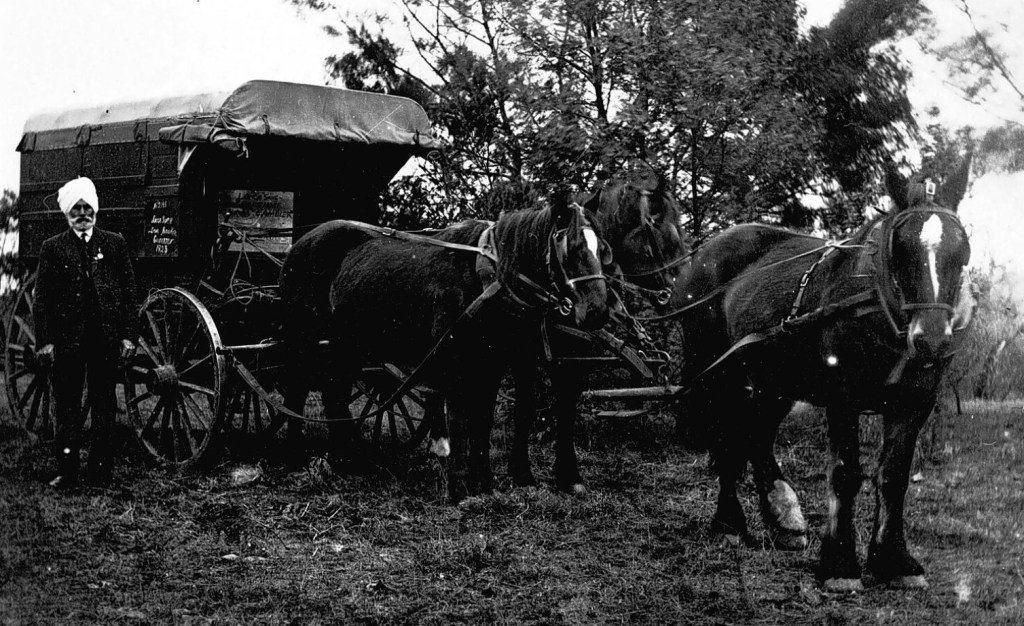
The following photo from the Museums Victoria Collection was one I posted on the WDF Facebook page while featuring photos from Carapook. The description with the photo reads, “Indian hawker and farmer on farm”. The names given are Basil Pearce and Rahn (sic) Singh and the location and date of the photo, Carapook 1924.
I set about looking for more about the two gentlemen. First Bazil, who was born at Gritjurk, northeast of Coleraine, in 1870,1 a son of William Pearce and Ann Watts. Basil married Mary Ellen King in 1904.2 They lived at Muntham, Carapook, and finally, Coleraine.
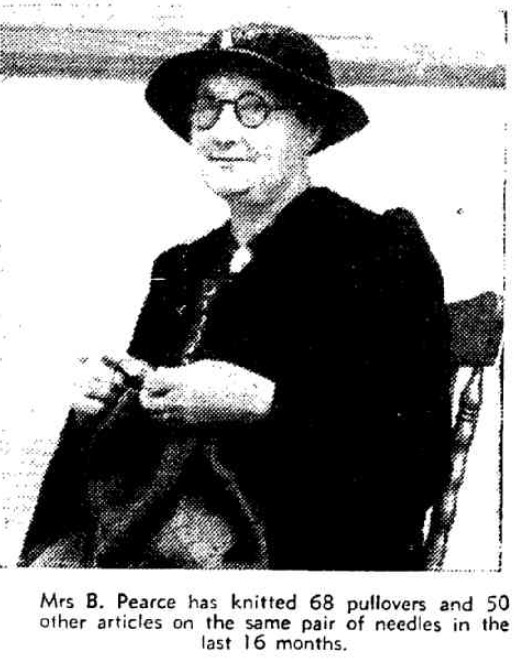
This is Mary, Bazil’s wife, knitting up a storm in 1941 for the war effort, all done on a single pair of knitting needles.
Bazil and Mary’s married son Bazil junior enlisted only a month after the publication of Mary’s photo. He went to New Guinea with the 2/12 Australian Infantry Battalion and died from wounds there in February 1943.
Bazil Pearce senior died in 1958 at Coleraine, aged eighty-eight.3 Mary died in 1980 at Coleraine, aged ninety-four.4
An increase in migration from India to Victoria in the 1880s saw an influx of Indian hawkers in the Hamilton district by the early 1890s. Trading from carts, or on foot, they made their way around isolated properties in the west of the state selling their wares, including pots and pans, drapery, and clothing.
Each December, hawkers were required to apply for a license. In 1892, because of a rise in complaints to authorities, the government introduced additional conditions to the Hawkers’ and Pedlars’ Act including the need to display a license number.
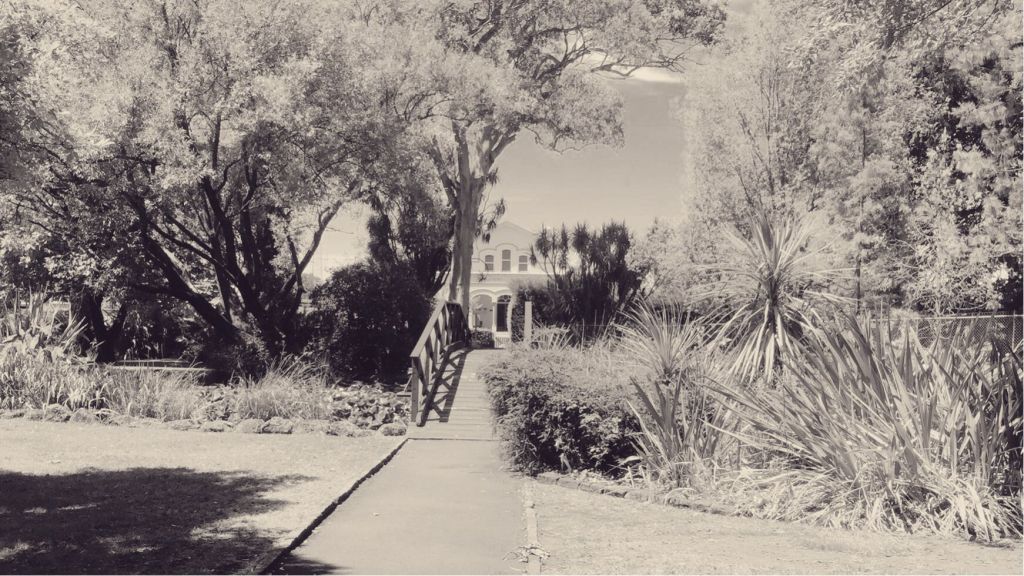
In December 1893, close to fifty Indian hawkers, mostly Sikh, gathered near the Martin Street gate of the Hamilton Botanic Gardens (below), waiting for their time before the magistrate. In December 1894, there were around seventy. In both years, local photographer John Arnest captured the colourful scene.
VIEW TO THE HAMILTON COURT HOUSE FROM THE BOTANICAL GARDENS
The Indian hawkers were incredibly generous and, like clockwork, each year when they paid their license fee, they also made a contribution to the local hospital. In 1894, Sukbi Nand Verma, the “interpreter for Indian residents in the colony,” wrote to Charles Wiggins, the secretary of the Hamilton Hospital and Benevolent Asylum, requesting acknowledgment of a donation of £11 12s 3d by the local hawkers. One of those he mentioned as having contributed to the donation was R. Singh. An extract of Sukbi’s letter is below,
We, the undersigned Indian hawkers, beg to present our poor and humble donation in aid of the charitable Hospital, Hamilton, with the simple view of encouraging and furthering this laudable public cause. We are not inclined to think that we should get any praise for our so doing, but on the other hand, a sense of universal brotherhood and a sympathy and feeling for the helpless sufferers actuated us to alleviate the sufferings of the poor patients by taking a step in this direction. The sum offered, no doubt, is trifling, considering the solid and substantial benefits which the Asylum confers upon general masses, but, however, let it be understood that it is the outcome of grateful and feeling hearts. Our religion teaches us to always extend a helping hand to those who really stand in need of it, and after giving a fair and deep consideration to this problem, we found none more worthy of our attention and help than this Asylum… (Hamilton Spectator 11 December 1894)
Ran Singh was in Hamilton in December 1896 when he received a license to sell goods on foot, and again in 1897. In 1898, the number of license applications decreased, but Ran Singh received a foot license. However, in 1899, the magistrate did not grant him a license.
In 1902, Ran again received a license to hawk on foot. It seems he then moved to the west of Hamilton. In 1914, Ran was among the gift givers for the marriage of John Quigley and Evelyn King at Merino. In December 1915, Ran and fellow hawkers, including Lucca Singh, donated to the Casterton Hospital after paying for their licenses at Casterton.
It appears Ran’s circuit was between Coleraine to the east and Casterton to the west, and between Carapook to the north (where he met Bazil) and Merino, to the south. There is a photo of Ran at Henty c1925, a location between those places, on the link …Ran Singh at Henty.
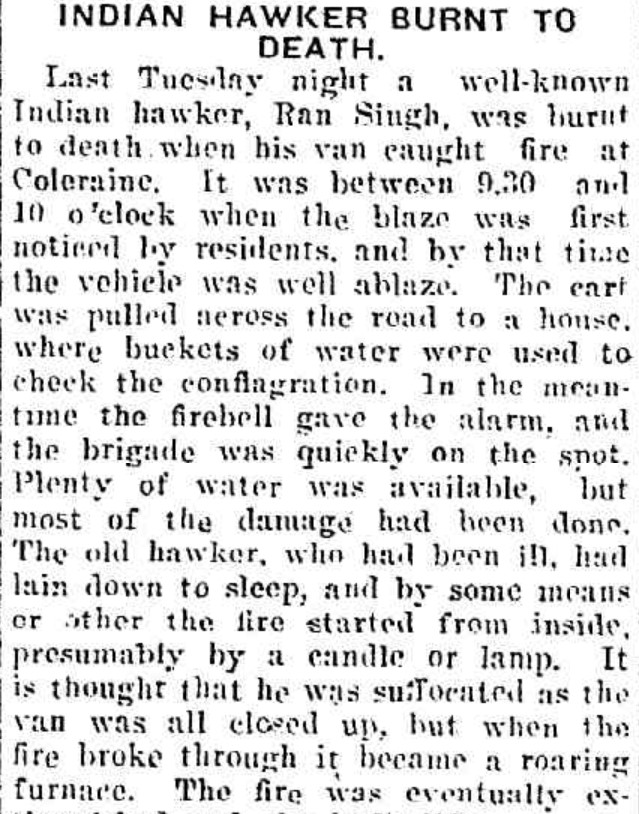
By the 1930s, Ran was in his seventies and had suffered some ill health. Locals had suggested he go to a hospital for medical treatment, but he refused. On Wednesday 9 October, Ran drove his horse-drawn van into Coleraine and set up camp in his usual place, a vacant block in McLeod Street. Around 4.30pm that afternoon, Ran went to Trangmar’s store in Whyte Street Coleraine (below).
TRANGMAR’S STORE, COLERAINE
Shop assistant John Brens served Ran, just as he had done many times over the previous fifteen years. Ran purchased a bottle of brandy and Uneeda biscuits. He was very frail and appeared unwell. John helped him down the steps of the store (below).
Ran returned to McLeod Street, and about 5.00pm he went to the home of Henry Hutchins who lived to the rear of the block where Ran camped. Henry had known Ran for about thirty years since he first started camping in McLeod Street. Ran boiled his billy on Henry’s stove and made a pot of tea. He left but returned at 7.00pm and spent an hour with Henry before announcing he was off to bed. Ran returned to his van and arranged the bags he used as a curtain at the front of the van while he slept.
Around 9.45pm, John Heron stepped out into his backyard and saw a glow coming from McLeod Street. He rushed to the front of his house and saw Ran’s van on fire. John tried to prise open the doors, but the heat forced him back. Others, including Henry Hutchins, arrived on the scene with buckets of water, but to no avail. By the time the fire brigade arrived shortly after, it was too late.
Ran’s body was removed to the Coleraine Police Station and his friend Lucca Singh was called in to identify his body. Lucca confirmed he had known the almost 80-year-old Ran since he arrived in Victoria from Punjab, India around 40 years before.
An inquest found Ran had died because of a heart attack and asphyxiation from the smoke. However, the coroner was unsure if the heart attack occurred before the fire. John Heron heard no sound coming from the van when he tried to open the doors, and when Constable John Duffy recovered Ran’s body, there were no signs of a struggle. It’s possible Ran suffered a heart attack and an unattended candle started the fire.
There are few reminders of the time when Indian hawkers were commonplace in the Western District. At the Hamilton (Old) Cemetery, there is a memorial for Gungah Singh. He died of consumption aged 45 and his friends sought permission to cremate his body on the cemetery grounds. The Central Board of Health and cemetery trust approved the request, and the cremation took place on Saturday 7 September 1901. Gungah’s ashes were returned to India to disperse in the Ganges River.
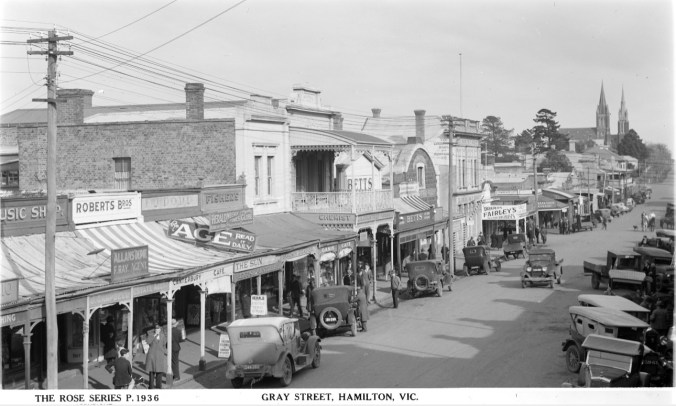
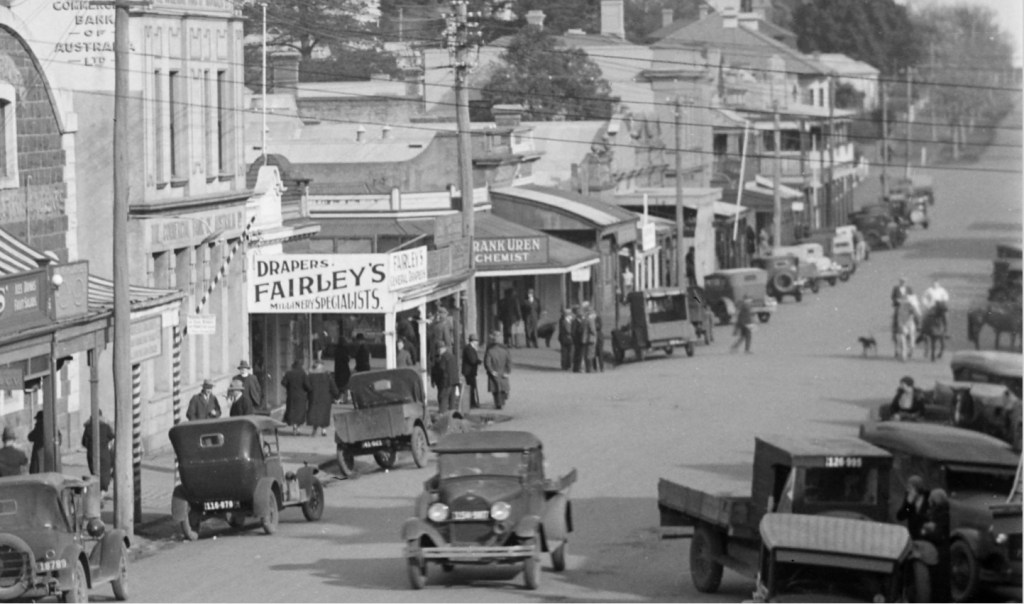
A photo from a place and time your ancestors lived is always interesting. You get a feel for their daily life, the transport of the time, and the fashion. You can see a place as it would have looked through their eyes. If it’s a streetscape, the photo is useful from a local history perspective. This photo, a Rose Postcard held by the State Library of Victoria (SLV) depicting the main street of Hamilton, ticks all those boxes.
The Hamilton streetscape has changed somewhat, but it’s instantly recognizable by the twin steeples on Church Hill toward the end of Gray Street. There are various postcard shots of Gray Street, but I particularly like this one for the stripy verandah of the Canterbury Cafe owned by the Roberts brothers, and the Fairleys sign. The photo tells several tales, ranging from a global story to a personal family story.
Rose postcards come undated, but you can narrow down the period. Car makes and models and even the format of the registration plate can help. Shops are useful too. If a digitised version of the local newspaper is available at Trove, search the business names and narrow down the period they operated. Sometimes ladies’ fashion, particularly hats and dress lengths, point to a period in time, but this photo comprises mostly men. Their fashion is harder to date.
This photo has an extra clue at the front of the newsagent. The SLV photo viewer has a great zoom function and if we zoom in, this is what we find.
The headline in TheHerald newspaper on the day of the photo was “World Flier Gassed in Plane”. Trove has digitised editions of TheHerald, so I searched the headline and found the edition. The date was Friday 9 June 1933.
Knowing the date adds more to the story. The world was amid the Great Depression, and aviator James J. Mattern from the United States was attempting to break the world record to circumnavigate the globe, which then stood at just over 8.5 days. He survived the mishap, but his chances of breaking the record were dashed.
On a local level, it was a Friday, explaining the number of men in the street.
In many larger towns, Friday was the day the country folk came to town for supplies. An article in the HorshamTimes from May 1951 bemoaned the traffic jam of people on the Horsham footpaths on a Friday. It was no different in Hamilton.
It was also a popular day for townspeople to head “down the street” and catch up with friends, some back in town for a weekend visit. Hamilton’s own Victoria Cross hero, Ted Kenna, said from the Heidelberg Repatriation Hospital in 1945, he was looking forward to returning to Hamilton to see the crowds of people “down the street” on a Friday. Almost the whole town turned out, he said. He was reminiscing with a former Hamilton girl, Roma Rainford who visited Ted, and they laughed as they recalled the often-used phrase, “I’ll be at home in Gray Street on Friday”.
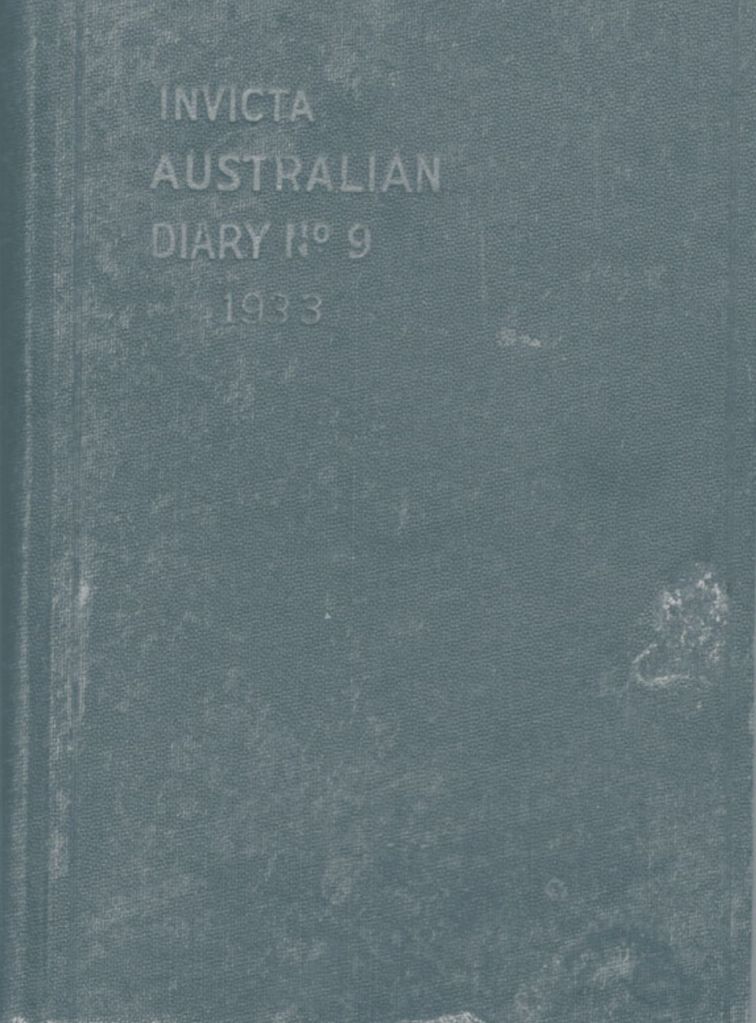
There is something else significant about 1933. My grandfather kept a diary in that year which was kept by Nana.
Bill Gamble turned twenty-two in 1933. By then, his father, Joseph Gamble, had left the family after about a decade of coming and going. Bill was the breadwinner and had been for some years. With Bill’s help, his mother, Edith, raised Bill’s six siblings. The youngest in 1933 was Shirley, aged five. Bill started as a delivery boy while still at Hamilton Higher Elementary School, before moving into the shop and learning the butchering trade.
BILL GAMBLE
From Bill’s diary, I found work was inconsistent in 1933. He was picking up bits and pieces at the abattoir, the butcher shop, and wood carting.
HAMILTON ABATTOIR, c1933. Photographer: Bill Gamble
Bill was also a keen photographer and developed films for friends, probably to cover his own photography costs. According to his diary, on 1 April 1933, he and his mate Charlie Stevenson developed five films for Ted Hodges. Then they went to the pictures at the Regent Theatre in Brown Street.
When Bill was not at home or working, he was with Charlie, camping, fishing, shooting, and riding motorbikes. He also spent a lot of time at the home of Charlie’s parents in Digby Road and went there most Fridays for milk. Following his maternal uncles, Bill and George Diwell, Bill played cornet with the Hamilton Brass Band.
Bill also enjoyed going down the street. On Friday 31 March, his entry was “Went down the street for the evening”. He also noted he bought a toothbrush for 2/-. On Friday 21 April, he again went down the street to the bank and Laidlaws (department store). On Friday 5 May, Bill was down the street playing with the Hamilton Brass Band in front of Walker’s Boot and Shoe store in Thompson Street.
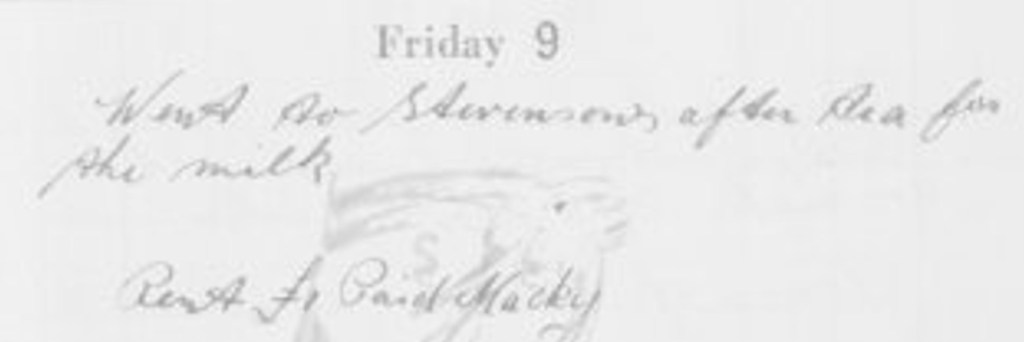
I wondered if Bill went down the street on Friday 9 June 1933. I turned the page… no. But he went to Stevenson’s for milk.
The Fairly’s sign mentioned earlier is in the next photo. This is Bill (on left) at Brown Bros. butchers in Gray Street, close to where the feature photo was shot. The Fairly’s sign is reflected in the window.
BROWN BROS. BUTCHERS, GRAY STREET, HAMILTON 1930s
Fairley’s was a drapery run by John Fairley and his wife Lillian. John died in 1939, two years after this advertisement.
The strip of shops was owned by the estate of Annie Destree who died in 1917. Annie inherited them when her husband, watchmaker Adolphus Destree died suddenly in 1875. She also owned Fairley’s building. It was nothing new for the Destree family, with fire destroying their shop and residence in 1870.
The shops were rebuilt as shown on another great postcard of Gray Street, taken only a few years after the fire.
The strip of shops still exists, as seen in this more recent photo taken in a similar spot as the older photos. Plane trees planted in the later part of the 20th century don’t make comparison with the older photos easy. And no longer is the street identified by the iconic twin steeples.
You can read more from the Take a Photo series on the link-Take a Photo












































 Western District Families
You must be logged in to post a comment.